
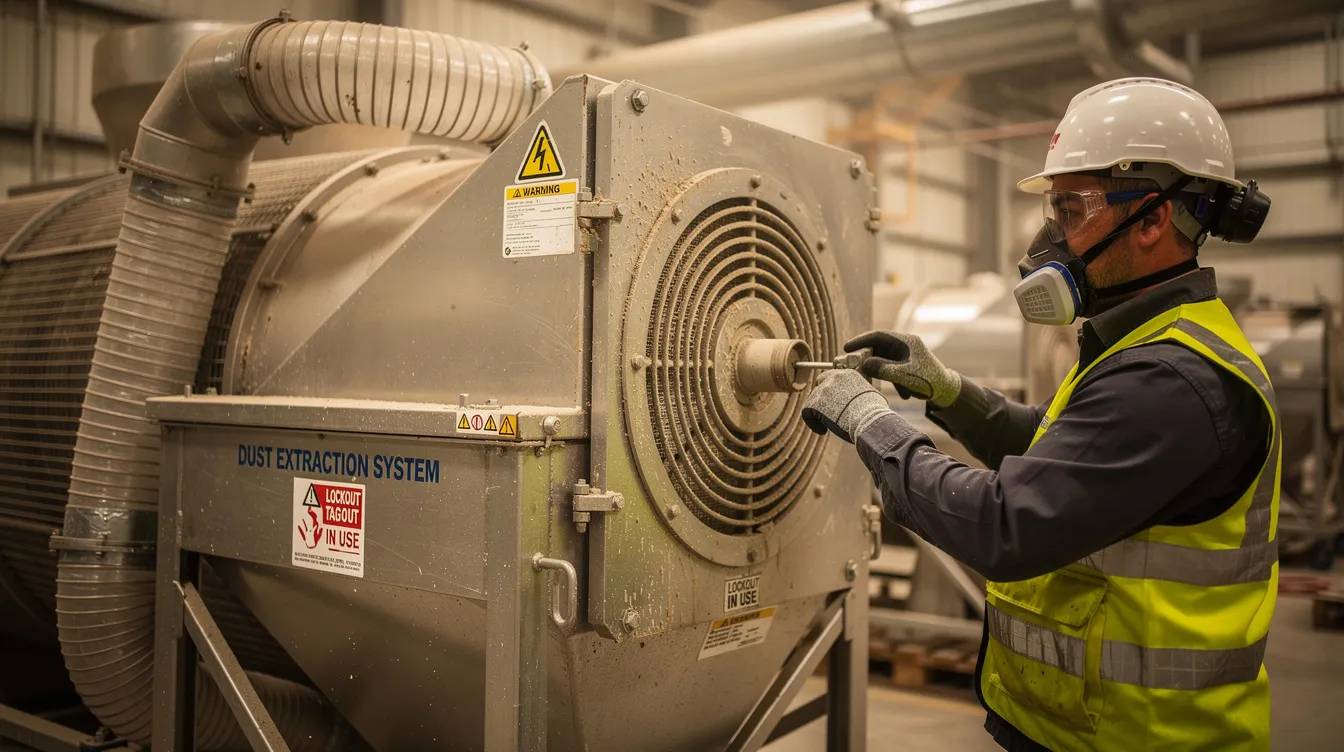
Unexpected stoppages can be costly, especially when your dust extraction system is critical to production, safety, and compliance. Waiting for deliveries when a key component fails can bring operations to a halt, which is why keeping the right spare parts on site is a smart move.
A planned approach to dust extraction maintenance parts helps reduce downtime, protect staff, and maintain strong dust control standards. Here are the most important spares to keep in stock.
1. Filter Elements and Filter Bags
Filters are among the hardest working parts in any dust extraction setup. Clogged filters reduce airflow, lower capture efficiency, and can increase wear on surrounding equipment.
Keeping replacement filter elements and filter bags on site means your engineers can respond quickly when performance drops. Many systems use cartridge, bag, or multi pocket filters, so matching the correct products to your system is essential.
Regular cleaning can help extend life, but filters will still need replacing over time.
2. Flexible Connections, Hoses and Seals
Leaks or splits in hoses and flexible connections can seriously affect suction and overall dust control. Damaged seals also allow fine dust to escape back into the workplace.
These relatively low cost items are some of the most useful spares to keep ready. Fast replacement helps restore airflow and avoids prolonged issues with poor extraction performance.
Routine inspections should check hoses for blockages, cracks, or loose fittings.
3. Motors, Fans and Control Parts
When a fan motor or control unit fails, the whole dust extraction system may stop. For busy facilities, holding critical parts such as motors, starters, sensors, or switches can save valuable time.
Not every site needs a full duplicate assembly, but reviewing your operational requirements will help identify which high priority spare parts are worth keeping in stock.
4. Collection Bins and Dust Covers
Collection bins and covers are often overlooked until they become damaged. Cracked bins, missing covers, or overfilled containers can create housekeeping and safety problems.
Bins should be emptied when around two thirds full rather than used for long term dust storage. Keeping replacement parts available supports cleaner, safer dust control across site.
5. Gauges and Monitoring Components
Pressure gauges and differential pressure monitors help track filter condition. A rising pressure drop often signals blocked filters that need cleaning or replacement.
Daily checks on these parts can help spot issues before breakdowns occur. Having gauge spares ready allows quick swaps and keeps your dust extraction process reliable.
Why Planned Spares Matter
Strong dust extraction maintenance is about more than repairs. It helps prevent hazardous dust release, protects worker health, and lowers the risk of fire from combustible dust build up.
In the UK, LEV systems must also meet examination requirements under HSE COSHH regulations, typically every 14 month
Why Choose A1 Extraction Systems?
At A1 Extraction Systems, we offer expert servicing, responsive support, and reliable supply of quality spare parts for a wide range of systems, including older equipment. Our engineers work closely with customers to keep operations running efficiently.
Need advice or routine servicing? Contact our team today. We offer fast dispatch across the UK to minimise downtime and keep your dust control systems performing at their best.