
Flexible vs Rigid Ducting: When Each Is the Right Choice in an Extraction System
Designing an effective extraction or HVAC system involves more than selecting fans and equipment. The ducting plays a central role in determining how efficiently air moves through the system and how reliably it performs over time. When comparing flexible vs rigid ducting, the main difference comes down to structure, airflow performance, installation requirements, and durability.
Across HVAC systems, industrial extraction, and air conditioning setups, the choice of ducting directly affects airflow, efficiency, maintenance, and long term cost. Understanding the strengths and limitations of each option helps ensure the system is fit for purpose and avoids common performance issues.
Types of Ductwork Used in Extraction Systems
There are two primary types of ductwork used in ventilation and extraction systems, each designed for different conditions and installation requirements.
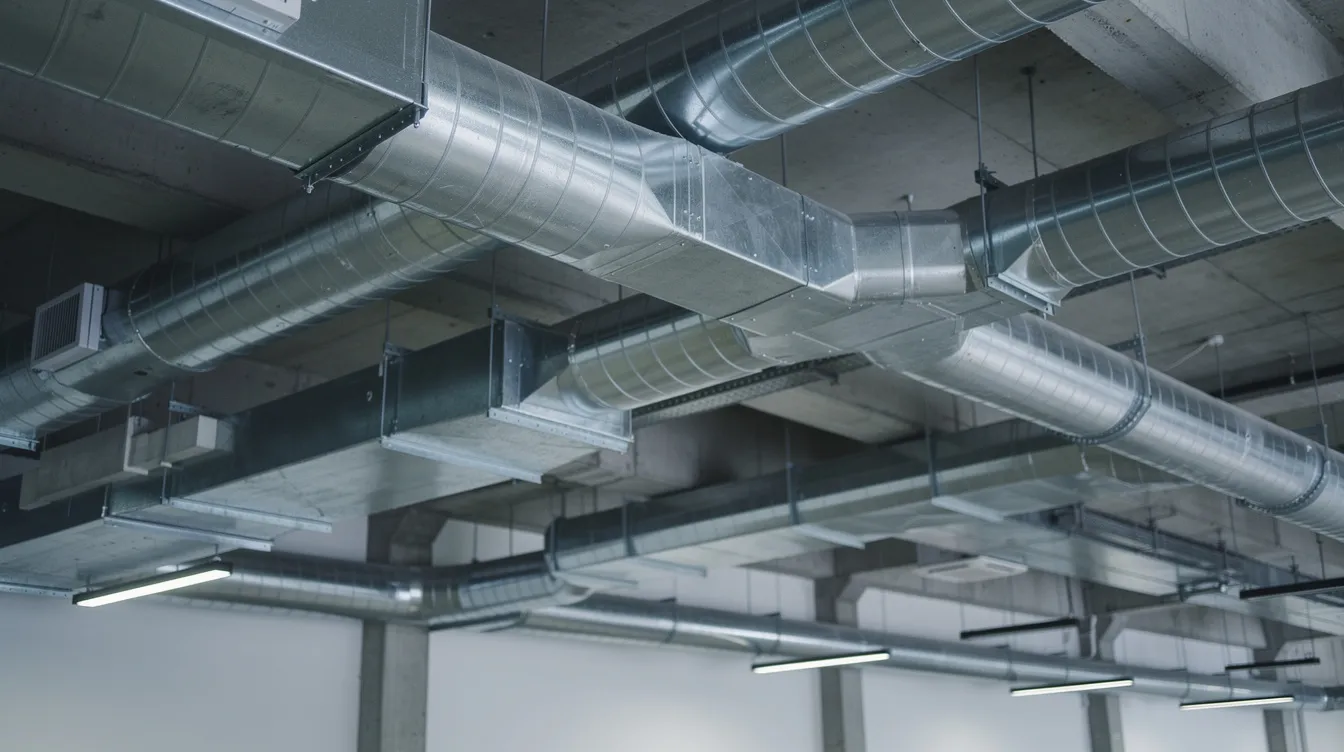
Rigid ducting is typically manufactured from sheet metal such as galvanised steel or aluminium. This metal duct construction creates a fixed structure with a smooth internal surface, allowing air to travel with lower airflow resistance and consistent performance. Rigid ductwork is widely used where durability and efficiency are essential.
Flexible ducting is constructed using a coiled wire core wrapped in a flexible material such as PVC plastic or PU polyurethane. This allows the ducting to bend and adapt around obstacles, making it suitable for tight spaces and more complex layouts.
These different types of ductwork are often used together within the same system to balance efficiency with installation practicality.
Flexible Ducting: Practical Benefits and Use Cases
Flexible ducting is primarily chosen for its adaptability and ease of installation. In systems where space is limited or layouts are irregular, flex duct can be routed around beams, pipework, and existing structures without requiring extensive alterations.
In HVAC systems and air conditioning installations, flexible ducting is commonly used for short runs and branch connections between rigid ducts and vents. This approach reduces installation time while maintaining overall system performance.
Flexible ductwork is lightweight and easier to install, which helps reduce labour requirements and overall cost. Many systems also benefit from pre insulated flexible ducting, which helps maintain temperature control in heating and cooling applications.
This makes flexible ducting particularly suitable for retrofit projects, small installations, and environments where speed and flexibility are key considerations.
Limitations of Flexible Ducting
Despite its installation advantages, flexible ducting introduces several performance challenges that need to be managed carefully.
The internal corrugated surface creates increased airflow resistance compared to rigid ducts. If the ducting is poorly installed, bends, sagging, and sharp turns can lead to airflow restrictions and reduced system efficiency. In more severe cases, this can result in restricting airflow and uneven system performance.
Flexible ducting is also more prone to damage than its rigid counterpart. The material can be compressed or punctured, which may lead to leaks over time. Because of this, it often requires more frequent replacement and ongoing maintenance.
Dust and debris can accumulate within the ridged surface, making cleaning more difficult and requiring periodic inspections at regular intervals to maintain performance.
Rigid Ducting: Efficiency and Long Term Performance
Rigid ducting is designed for systems where airflow efficiency and durability are priorities. Manufactured from sheet metal, rigid ducts maintain a fixed shape and provide a smooth internal surface that supports consistent airflow.
One of the key advantages of rigid ducting is its lower airflow resistance. This allows air to move more efficiently through the system, improving overall efficiency and reducing the energy required to operate HVAC systems.
Rigid ductwork is also highly durable and resistant to corrosion, particularly when galvanised steel is used. Its sturdy construction prevents sagging or collapse, which means it requires minimal maintenance over time.
Another benefit is reduced noise. Rigid ducts dampen vibration and airflow noise more effectively than flexible ducting, making them suitable for both industrial environments and spaces where quieter operation is required.
When Rigid Ducting Is the Right Choice
Rigid ducting is most effective in installations where performance and longevity are critical. It is commonly used for main trunk lines, where maintaining consistent airflow is essential to the overall system.
In permanent ventilation systems, rigid ductwork provides the reliability needed for long term operation. It is also the preferred option for external mounting, as it is more weather resistant and better suited to handling environmental exposure, including exhaust fumes.
For larger HVAC systems and industrial applications, rigid ducts ensure stable airflow and reduce inefficiencies caused by air resistance or leakage.
Installation Considerations and Cost
The installation process differs significantly between flexible and rigid ducting, and this often influences the final decision.
Flexible ducting is quicker to install and requires less labour, making it a cost effective solution for smaller or time sensitive projects. Its lightweight design allows it to be fitted easily, even in confined spaces.
Rigid ducting requires more planning and typically needs a qualified professional to install correctly. The materials and labour involved result in a higher upfront cost, but this is often offset by improved efficiency, durability, and reduced maintenance over time.
When selecting ducting, it is important to consider not only the initial installation cost but also the long term performance and maintenance requirements.
Hybrid Systems and Semi Rigid Options
In many modern systems, a combination of both ducting types is used to achieve the best results. Rigid ducting is installed along main airflow routes, while flexible ducting is used for shorter connections to vents.
This hybrid approach allows systems to maintain efficiency while reducing installation complexity and time.
Semi rigid ductwork is also used in certain applications, offering a balance between flexibility and durability. It provides more strength than flexible ducting while remaining easier to install than fully rigid systems.
Choosing the Right Ducting for Your System
Selecting the most suitable ducting depends on several key factors, including airflow requirements, available space, installation constraints, and long term maintenance considerations.
Systems that prioritise efficiency and durability generally benefit from rigid ducting, while installations with limited space or tighter budgets may rely more on flexible ductwork. In many cases, combining both options provides the most effective and practical solution.
Careful planning at the design stage helps ensure the ductwork supports overall system performance and avoids issues such as airflow restrictions, leaks, or unnecessary maintenance.
Why Choose A1 Extraction Systems
Choosing the right supplier is essential when designing and installing ducting and extraction systems that perform reliably over time. We provide ducting solutions that are designed to support airflow efficiency, durability, and practical installation across a wide range of environments.
With experience across industrial and commercial applications, we understand how ductwork, airflow, and system design must work together to achieve consistent performance. Whether the requirement involves flexible ducting, rigid ducting, or a hybrid system, our solutions are built to suit the demands of the application.
We support projects from initial design through to installation and ongoing supply, helping ensure each system is configured correctly and operates efficiently. This approach reduces the risk of performance issues, minimises maintenance, and ensures long term reliability across all types of ducting systems.
Frequently Asked Questions
Is rigid ducting better than flexible ducting?
Rigid ducting is generally better in terms of airflow efficiency, durability, and long term performance due to its lower airflow resistance and solid construction. Flexible ducting is still suitable for specific applications such as short runs, tight spaces, and installations where speed and cost are important factors.
When would you use rigid ductwork?
Rigid ductwork is used for main duct runs, permanent ventilation systems, and installations where consistent airflow and long term reliability are required. It is commonly used in industrial applications and larger HVAC systems.
Is rigid ducting quieter than flexible ducting?
Rigid ducting is typically quieter because its solid structure helps reduce vibration and noise within the system. Flexible ducting can generate more noise if it moves or is not properly secured during installation.
What is the problem with flexible ducting?
Flexible ducting can create airflow restrictions if it is poorly installed, particularly where bends or sagging occur. It is also more prone to damage, leaks, and dust build up, which can increase maintenance requirements and reduce system efficiency over time.