
What Is LEV Testing? A Practical Guide for UK Workplaces
Workplaces that generate dust, fumes, vapours, or other airborne contaminants rely on local exhaust ventilation (LEV) (a type of industrial ventilation system designed to remove hazardous dusts, fumes, vapours, or mists from the air) to protect employees’ health. But installing an LEV system is only part of the responsibility — it must also be checked regularly to ensure it continues working effectively.
This guide is intended for UK employers, safety managers, and anyone responsible for workplace health and safety compliance.
That’s where LEV testing comes in.
In this guide, we explain what LEV testing is, why it’s legally required, what the process involves, and how it helps businesses maintain safe, compliant working environments.
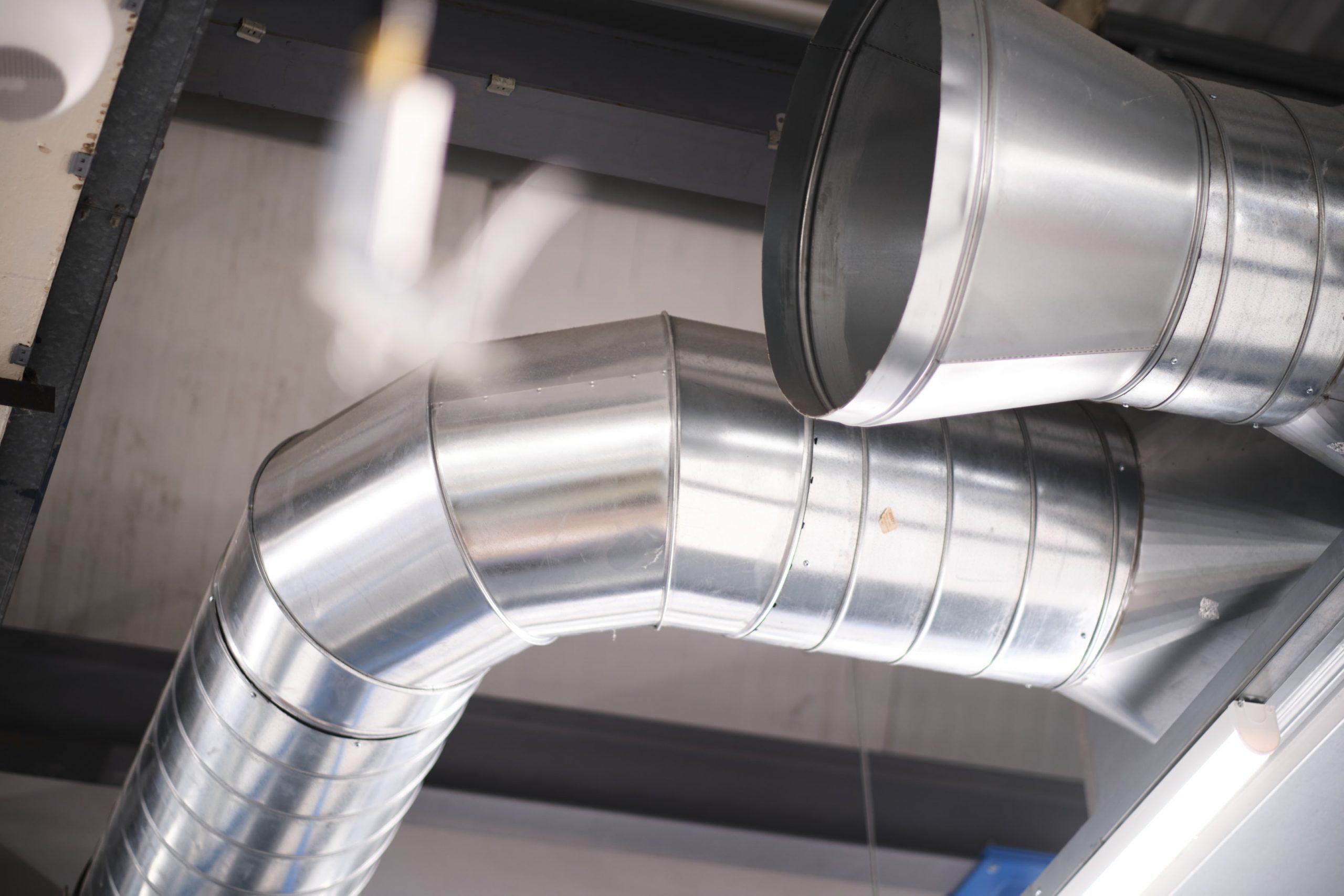
What Is LEV Testing?
LEV (Local Exhaust Ventilation) testing is a mandatory examination of industrial ventilation systems designed to remove hazardous dusts, fumes, vapours, or mists from the air. LEV testing is the thorough examination and test of a local exhaust ventilation system to confirm it is still capturing and removing airborne contaminants as originally intended.
The purpose of testing is to ensure that the LEV system continues to:
-
Control exposure to substances hazardous to health
-
Operate efficiently and safely
-
Meet the requirements of UK health and safety legislation
LEV testing examines the entire system — from hoods and ductwork to filters, fans, and discharge points — and measures whether it is providing adequate control of dust, fumes, gases, or vapours in the workplace.
What Does LEV Stand For?
LEV stands for Local Exhaust Ventilation.
It refers to systems designed to capture contaminants at source, before they spread into the wider workplace air. LEV is commonly used for:
-
Welding fumes
-
Wood dust
-
Metal dust
-
Chemical vapours
-
Solvent fumes
-
Powder handling and mixing processes
LEV systems are widely used across manufacturing, engineering, woodworking, pharmaceutical, food production, and many other industries.
Is LEV Testing a Legal Requirement?
Yes, LEV testing is a legal requirement under the Control of Substances Hazardous to Health (COSHH) Regulations.
COSHH Regulation 9 requires employers to ensure that engineering controls such as local exhaust ventilation are:
-
Properly maintained
-
Kept in efficient working order
-
Thoroughly examined and tested at regular intervals
For most LEV systems, this means testing at least once every 14 months. In higher-risk environments, more frequent testing may be required based on the COSHH risk assessment.
Failing to carry out LEV testing can lead to enforcement action by the HSE, fines, or prosecution.
Why Is LEV Testing Every 14 Months?
The 14-month interval is designed to ensure systems are tested before performance degrades to unsafe levels, while still being practical for businesses to manage.
Over time, LEV systems can lose effectiveness due to:
-
Blocked or damaged ductwork
-
Worn or failing fans
-
Degraded filters
-
Changes to processes or equipment layout
Regular testing ensures these issues are identified early, before employees are exposed to harmful airborne contaminants.
What Does the LEV Testing Process Involve?
LEV testing follows HSE guidance HSG258 and is carried out by a competent individual with appropriate training and experience.
The process typically includes:
Review of Documentation
Existing records are reviewed, including:
-
System design specifications
-
Commissioning reports
-
Previous test results
-
Maintenance logs
This provides a baseline for assessing current performance.
Visual Inspection
A detailed visual examination checks:
-
Hoods and capture points
-
Ductwork condition
-
Filters and filter housings
-
Fans and motors
-
Signs of damage, wear, or incorrect installation
This step identifies obvious faults that may affect system performance.
Performance Testing
Measurements are taken to assess whether the system is operating effectively, including:
-
Airflow and air velocity at capture points
-
Static pressure within the system
-
Comparison against original design values or industry benchmarks
These tests determine whether the LEV system is still providing adequate control of airborne contaminants.
Assessment Against Requirements
Results are assessed against:
-
Original system intent
-
COSHH requirements
-
HSE guidance and industry standards
Any shortfalls are clearly identified.
Reporting
A comprehensive report is issued detailing:
-
Test results
-
Pass or fail status
-
Defects or deficiencies
-
Clear recommendations for remedial action
These reports must be retained for at least five years.
Why LEV Testing Is Important for Workplace Safety
LEV testing plays a crucial role in protecting employees’ health by ensuring exposure to harmful substances is properly controlled.
Without effective testing:
-
Employees may inhale dust, fumes, or vapours unknowingly
-
Long-term health conditions such as asthma or lung disease can develop
-
Employers may be unaware that systems are no longer working as intended
Regular LEV testing helps maintain clean air in the workplace, supports a safe working environment, and demonstrates a proactive approach to health and safety.
Who Can Carry Out LEV Testing?
LEV testing must be carried out by a competent person — someone with sufficient knowledge, training, and experience to assess LEV systems correctly.
In practice, this usually means engineers trained to:
-
Understand LEV design principles
-
Carry out airflow and performance measurements
-
Interpret results against HSG258 guidance
Using qualified professionals ensures testing is accurate, defensible, and compliant with statutory regulations.
What Happens If an LEV System Fails?
If LEV testing identifies that a system is not operating effectively, action must be taken promptly.
This may involve:
-
Repairing or replacing damaged components
-
Cleaning or replacing filters
-
Adjusting airflow or fan performance
-
Reviewing system design to see if processes have changed
In some cases, interim control measures may be required until repairs are completed. Once corrective work is done, the system should be retested to confirm compliance.
Ongoing Maintenance Between Tests
LEV testing is not a one-off task. To keep systems operating effectively between examinations, businesses should:
-
Carry out regular visual checks
-
Maintain filters and ductwork
-
Record maintenance activities
-
Review systems when processes change
Good maintenance reduces the risk of test failures and extends the life of LEV equipment.
Conclusion
LEV testing is a vital part of managing workplace health risks where dust, fumes, or hazardous substances are present.
By understanding what LEV testing involves and ensuring it is carried out regularly, businesses can:
-
Protect employees’ health
-
Maintain legal compliance
-
Avoid enforcement action
-
Ensure LEV systems continue working as intended
Regular testing, combined with proper maintenance and professional assessment, helps create safer, healthier working environments across a wide range of industries.
Frequently Asked Questions
What is LEV testing?
LEV testing is the statutory thorough examination and test of a local exhaust ventilation system to confirm it still controls airborne contaminants effectively.
How often does LEV testing need to be done?
At least every 14 months, or more frequently if required by your COSHH risk assessment.
Is LEV testing a legal requirement?
Yes. It is required under the Control of Substances Hazardous to Health (COSHH) Regulations.
Who is responsible for arranging LEV testing?
The employer or duty holder is responsible for ensuring LEV systems are tested and maintained.
What records need to be kept?
LEV test reports and related records must be kept for a minimum of five years.