Local exhaust ventilation (LEV) systems are designed to remove hazardous airborne contaminants directly from their source before they disperse into the workplace. These systems are crucial for maintaining safe air quality in industrial settings, protecting workers’ health from harmful dust, fumes, vapours, and gases. In this article, we’ll explore what is local exhaust ventilation, how these systems work, and why they’re important for workplace safety.
Key Takeaways
-
Local Exhaust Ventilation (LEV) systems are essential for removing harmful airborne contaminants in workplaces, significantly enhancing air quality and ensuring employee safety.
-
Effective maintenance, including routine checks and testing, is crucial for LEV systems to operate efficiently and remain compliant with health and safety regulations.
-
Training employees on LEV usage fosters proper operation and maintenance, thereby maximising the effectiveness of these systems in protecting worker health.
Understanding Local Exhaust Ventilation (LEV)
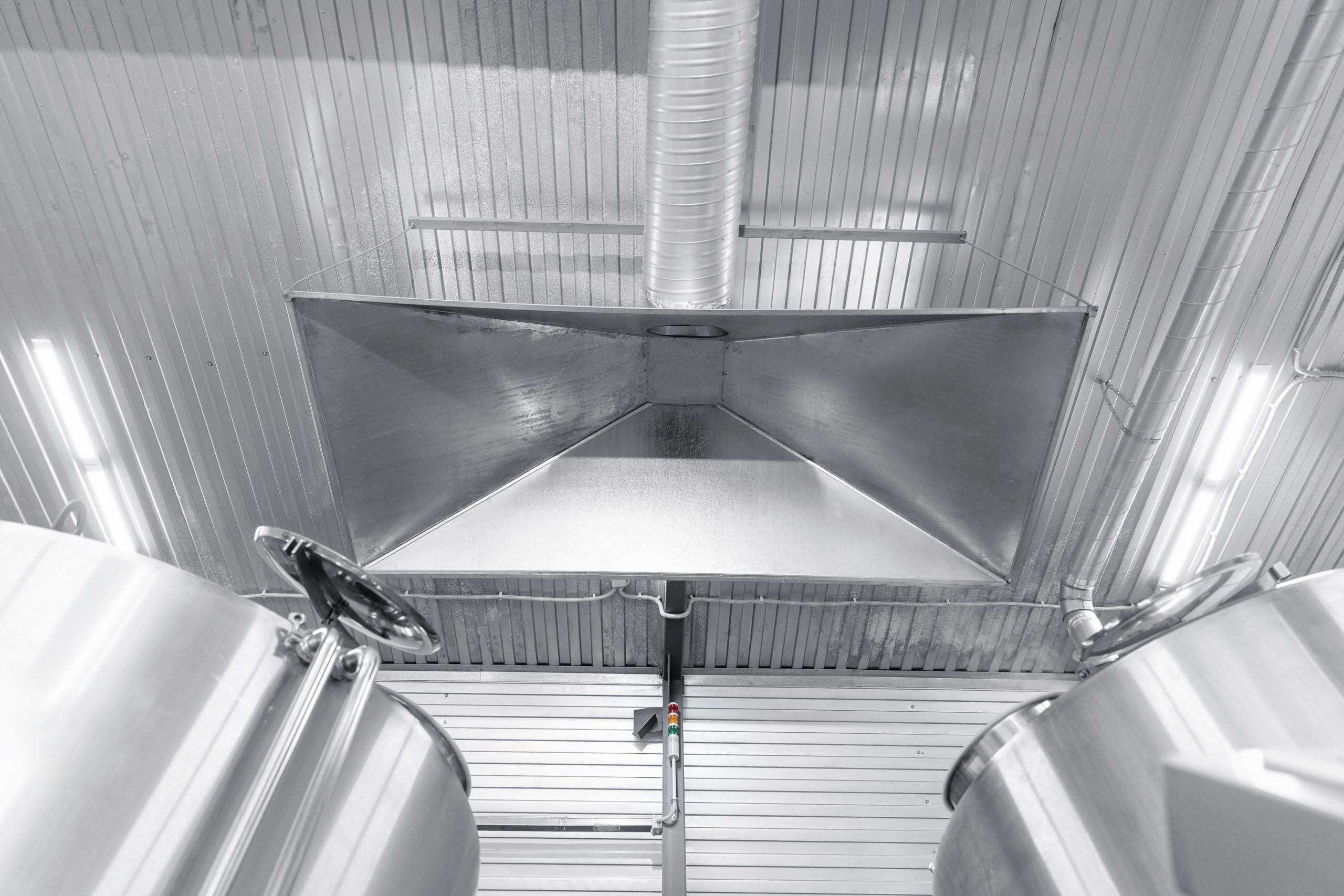
Local Exhaust Ventilation (LEV) systems are meticulously designed to remove harmful airborne contaminants from the workplace. They play a pivotal role in ensuring that the air quality in various industrial settings is maintained at safe levels. Implementing LEV systems brings a multitude of benefits, including improved air quality, reduced dust build-up, and safer working environments. These systems are not just a luxury but a necessity for any business that prioritises the health and safety of its employees.
LEV systems operate by capturing contaminants at their source and preventing them from dispersing into the general workplace atmosphere. This targeted approach is far more efficient than general ventilation methods. LEV systems contain harmful substances, protecting people, shielding businesses from potential fines, and contributing to a healthier workspace.
In the UK, LEV addresses exposure risks and complies with Workplace Exposure Limits (WELs), highlighting its critical importance.
Importance of LEV Systems for Worker Health
LEV systems are vital for worker health. These systems are designed to filter and remove harmful airborne materials like dust, fumes, and vapours before they can be inhaled. In various work environments, the presence of such contaminants poses significant health risks, including respiratory issues and chronic diseases. Effective LEV systems are crucial for minimising these health risks and ensuring a safe working environment.
Statistics from the Health and Safety Executive (HSE) highlight the stark reality of these risks, with exposure to harmful substances linked to 12,000 lung disease fatalities in 2018 alone. Processes that produce significant heat, such as welding or smelting, benefit immensely from LEV systems, which manage both harmful emissions and heat exposure, reducing the risk of health issues.
Different filtration technologies, including fabric filters and electrostatic precipitators, are employed to eliminate various sizes and types of airborne contaminants, ensuring that the air workers breathe is clean and safe.
Key Components of a Local Exhaust Ventilation System
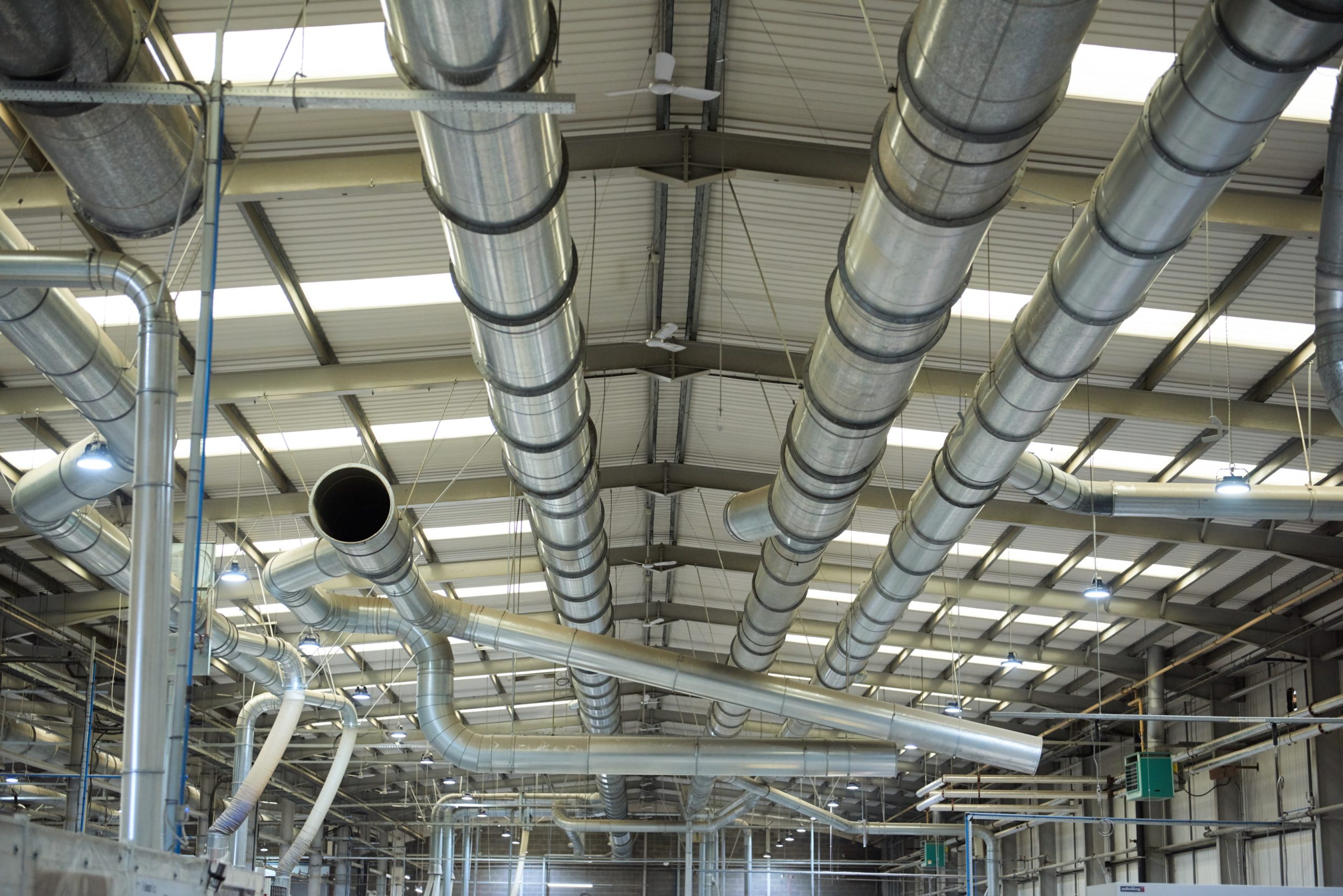
An LEV system is a complex assembly of various LEV components, each playing a crucial role in ensuring the system’s overall effectiveness. The primary elements of a local exhaust ventilation system include:
-
Hoods
-
Ductwork
-
Air cleaners or filters
-
Exhaust fans Each component is designed to work in harmony to capture, transport, filter, and expel airborne contaminants, maintaining a safe and clean work environment.
Understanding these components is essential for anyone looking to implement or maintain an LEV system. The components include:
-
Hoods: capture pollutants at the source
-
Ductwork: transports the contaminated air to the filtration units
-
Air cleaners and filters: remove the contaminants
-
Exhaust fans: ensure adequate airflow through the system.
Exploring these components helps appreciate their individual and collective differences in importance.
Hoods
Hoods are the frontline defenders in any LEV system. Capturing hood is designed to draw in contaminated air effectively, utilising high airflow rates to minimise exposure to hazardous particles. These hoods:
-
Can be movable, fixed, or portable
-
They are strategically placed close to the source of emissions to maximise their efficiency
-
Include designs such as canopy hoods over welding stations or slot hoods along production lines.
Each design is tailored to effectively contain hazardous emissions at their source.
In industries from laboratories to manufacturing plants, hoods play a vital role in protecting workers from exposure to dangerous substances. By containing fumes, vapours, and mists right at the source, hoods prevent these harmful substances from dispersing into the workplace air, thereby safeguarding the health of workers and maintaining compliance with safety regulations.
Ductwork
Ducting is the backbone of the local exhaust ventilation system, responsible for transporting contaminated air from the source to the filtration units. Designed for efficiency, ductwork systems feature various configurations, including bends and junctions, to facilitate the smooth transport of air. This network of ducts ensures that the contaminated air captured by the hoods reaches the air cleaners without any leaks or blockages, maintaining the system’s overall effectiveness.
The role of ductwork extends beyond mere transportation; it is crucial for maintaining effective contaminant control. Properly designed and maintained ductwork ensures that hazardous substances are efficiently moved away from the workplace, preventing exposure and ensuring the safety of workers. Regular inspections and maintenance of ductwork are essential to keep the system functioning optimally and to avoid any potential health risks.
Air Cleaners and Filters
Air cleaners and filters are the heart of the LEV system, tasked with removing harmful contaminants from the air before it is expelled back into the environment. LEV systems utilise various types of filters, including particulate filters, activated carbon filters, and electrostatic filters. Each type of filter is designed to capture different kinds of contaminants, from solid particles to gases and vapours.
There are different types of filters used to improve air quality:
-
Particulate filters capture solid particles.
-
Activated carbon filters adsorb gases and vapours.
-
Electrostatic filters use an electric charge to attract and capture particles.
The effectiveness of these filters is crucial for improving air quality and ensuring that contaminants are safely removed from the workplace air by a cleaner.
Maintaining and regularly replacing filters keeps the LEV system operating at peak efficiency.
Exhaust Fans
Exhaust fans are the workhorses of local exhaust ventilation systems, ensuring that contaminated air is effectively moved through the system. These fans create the necessary suction to draw contaminated air from the hoods, through the ductwork, and into the air cleaners. By maintaining adequate airflow, exhaust fans play a critical role in ensuring the LEV system operates efficiently and effectively.
Selecting the right size and type of exhaust fan is crucial for achieving optimal performance. The fans must be powerful enough to handle the volume of air being moved while maintaining the required capture velocity at the hoods.
Correct installation and regular maintenance of exhaust fans ensure they continue to perform their vital function within the LEV system.
Applications of Local Exhaust Ventilation
Local exhaust ventilation systems are versatile and find applications across a wide range of industries. In workshops and laboratories, LEV systems are commonly used to maintain air quality by capturing dust, fumes, and other airborne contaminants at their source. Industries such as woodworking, welding, and manufacturing frequently implement LEV systems to protect workers from harmful emissions produced during their operations.
These systems are particularly effective in addressing airborne hazards associated with specific tasks like welding fumes, sanding dust, and chemical vapours. Whether supplied as portable units or full ducted installations, LEV systems can be tailored to meet the specific needs of different operational environments, ensuring that workers are protected from exposure to harmful airborne substances.
Selecting the Right LEV System for Your Needs
Selecting the right LEV system for your workplace involves a thorough understanding of the specific contaminants present and the processes that generate them. Employers are legally required to ensure their workers are free from harm, and this often involves the use of properly designed LEV systems. Consulting with experienced suppliers can help in selecting an LEV system that meets industry-specific requirements and ensures effective contaminant control.
When choosing an LEV system, it is important to assess the layout and processes in your facility to determine the most effective design. Considerations such as airflow requirements, capture velocities, and the types of pollutants present are crucial for selecting a system that will provide optimal protection for your workers.
Selecting and installing the right LEV system significantly enhances workplace safety and compliance with health regulations.
Installation and Commissioning of LEV Systems
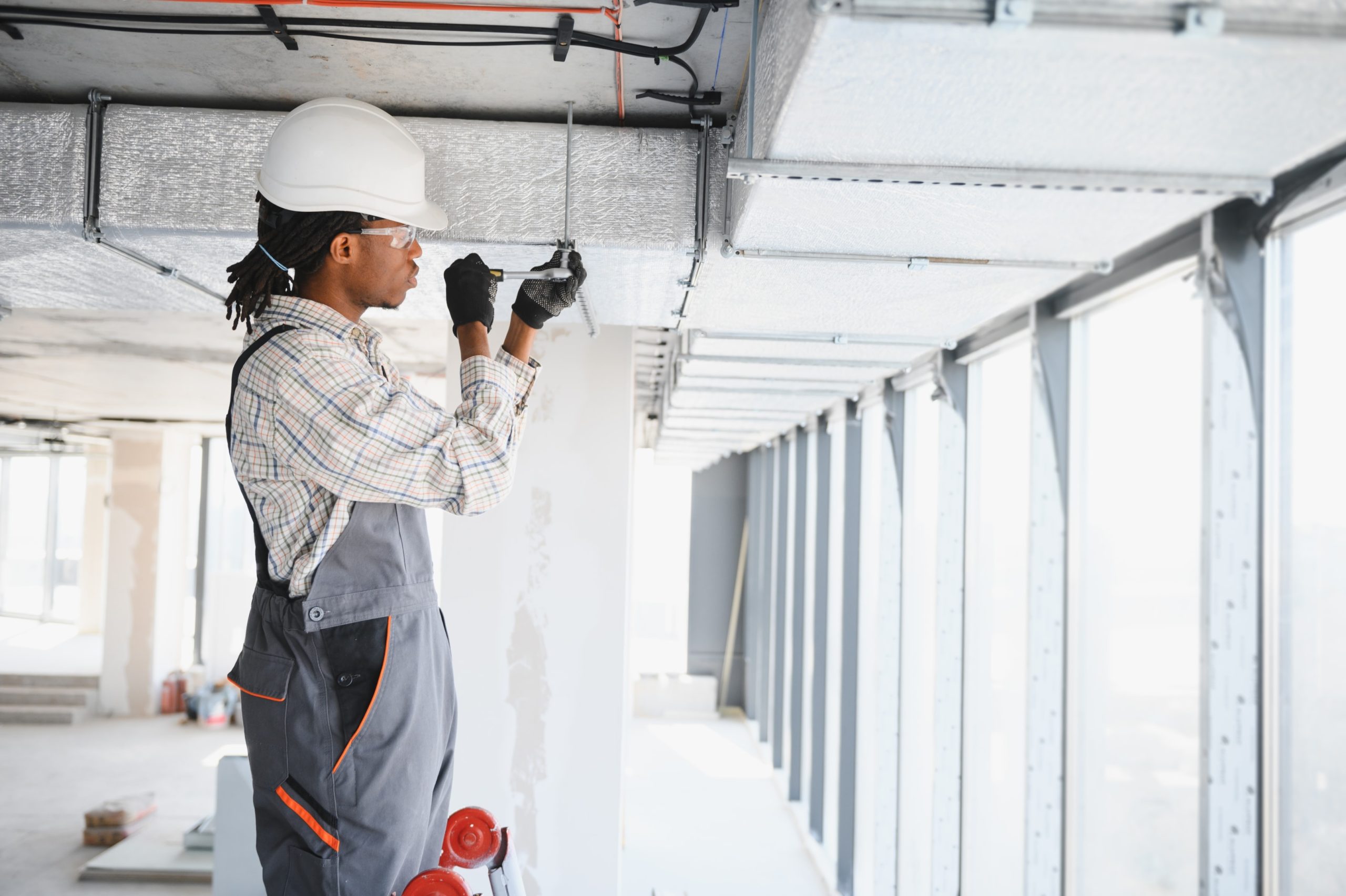
The installation and commissioning of an LEV system are critical steps that determine its long-term performance and effectiveness. Proper installation must follow specified designs and manufacturer guidelines to ensure the system functions as intended. Commissioning a local exhaust ventilation system validates its ability to control exposure to harmful substances from the outset.
A thorough commissioning process includes establishing benchmarks for flow rates and pressures, as well as documenting the general condition of the system. This initial documentation is essential for guiding future maintenance and performance evaluations.
Commissioning includes initial inspections and tests to ensure compliance with safety standards and to make necessary adjustments for optimisation.
Maintenance and Servicing of LEV Systems
Regular maintenance and servicing of LEV systems are crucial for ensuring their continued effectiveness in protecting worker health. Daily checks on LEV functionality, including ensuring airflow indicators display proper operation, are essential for maintaining safe working conditions. Regular LEV testing ensures systems are functioning effectively to minimise health risks and comply with regulatory requirements.
Employees should receive training to recognise signs of LEV malfunction, such as unusual noises or insufficient airflow, and should be encouraged to report any irregularities to their supervisors. A proactive approach to LEV system maintenance ensures that systems remain efficient and effective in controlling airborne contaminants.
Routine Checks
Routine inspections should focus on:
-
Identifying any blockages or damages in the system.
-
Checking for duct leaks to ensure the system maintains its designed efficiency.
-
Looking for any signs of unusual noises or vibrations that could indicate potential issues with the LEV system.
Regular routine checks help identify and address potential problems early, ensuring the LEV system continues to operate effectively and protect worker health. These inspections are a critical component of maintaining a safe and compliant work environment.
Common Maintenance Tasks
Common maintenance tasks for LEV systems include cleaning ductwork to remove accumulated contaminants and ensure optimal airflow. Regular filter condition assessments are necessary to determine when replacements are needed, as clogged filters can significantly impair the system’s performance.
Maintaining ductwork and filters prevents dust buildup and ensures the LEV system operates efficiently. By maintaining these components, businesses can ensure that their LEV systems continue to provide effective contaminant control and protect worker health.
LEV Testing and Compliance
LEV testing and compliance are critical for ensuring that systems function as intended and meet regulatory requirements. Regular inspections and tests of LEV systems are required at least every 14 months to ensure compliance with health and safety regulations. Failing to comply with LEV testing regulations can result in legal penalties and possible lawsuits.
Regular LEV testing helps prevent costly HSE enforcement actions and ensures that businesses remain compliant with health and safety standards. Adhering to testing and compliance requirements helps businesses avoid fines and ensure worker safety.
Initial Inspections
During an initial inspection, key components should be thoroughly examined, including:
-
Blockages
-
Damage
-
System balance
-
Filter condition
-
Duct leaks
Proper initial inspections help maintain the efficiency of the LEV system and ensure its compliance with safety standards.
Thorough initial inspections identify potential issues early and ensure the LEV system functions effectively from the start. These inspections play a vital role in safeguarding worker health and maintaining a safe work environment.
Airflow Measurements
Airflow measurements are an essential part of LEV testing, confirming the capture efficiency across all hoods. These measurements are taken using calibrated instruments and can be qualitatively evaluated using dust lamps and smoke.
The airflow test ensures that the LEV system is effectively capturing airborne contaminants and maintaining the required capture velocity. Comparing these measurements against the HSG258 benchmarks helps maintain the system’s efficiency and compliance with safety standards.
Compliance Reporting
Compliance reporting is an integral part of LEV testing, ensuring that systems meet regulatory standards and remain effective in controlling airborne contaminants. These reports:
-
Must comply with HSE (HSG258) and COSHH regulations
-
Document the system’s performance and any necessary remedial actions
-
Include recommendations for best practices
-
Suggest cost-effective improvements to maintain ongoing compliance
The validity period associated with the LEV test label is 14 months, meaning regular updates and re-evaluations are necessary to ensure continued compliance. Comprehensive compliance reports demonstrate commitment to worker safety and regulatory adherence, helping avoid fines and legal issues.
Training Employees on LEV Usage
Training employees on the proper use and maintenance of LEV systems is crucial for ensuring their effectiveness and safety. Employers must provide adequate training and information about the operation of LEV systems before they are utilised in the workplace. This training should cover how to operate the systems effectively, understand their limitations, and recognise signs of malfunction.
Involving employees in the design and selection of LEV systems can enhance usability and effectiveness, ensuring that the systems are tailored to the specific needs of the workplace. Investing in comprehensive training ensures workers are equipped with the right equipment to maintain effective control of a safe and healthy working environment.
Success Stories
Success stories from various industries highlight the transformative impact of LEV systems on workplace safety and health. For example, a woodworking company implemented an LEV system to capture wood dust, resulting in a significant reduction in respiratory complaints and improved worker health. Improved air quality contributes to increased productivity and employee satisfaction.
Air Improve has successfully implemented LEV systems in various settings, including manufacturing facilities and educational institutions, enhancing air quality and compliance with health and safety regulations. These real-life examples demonstrate the tangible benefits of investing in effective LEV systems and adhering to best practices for installation, maintenance, and training.
Summary
Local Exhaust Ventilation (LEV) systems are essential for maintaining a safe and healthy working environment. By effectively capturing and removing harmful airborne contaminants, these systems protect worker health, improve air quality, and ensure compliance with regulatory standards. Understanding the key components of an LEV system, selecting the right design, and committing to regular maintenance and testing are crucial steps in achieving these benefits.
Investing in proper training for employees and adhering to best practices for installation and maintenance can further enhance the effectiveness of LEV systems. By prioritising the implementation and upkeep of LEV systems, businesses can create safer workplaces, boost productivity, and demonstrate their commitment to worker health and safety.
Frequently Asked Questions
What are the principles of LEV?
The principles of Local Exhaust Ventilation (LEV) involve capturing airborne contaminants at their source and transporting them to a safe emission point or filtration system. This engineering control effectively reduces worker exposure to harmful substances by ensuring that contaminated air is removed from the workspace.
What are Local Exhaust Ventilation (LEV) systems?
Local Exhaust Ventilation (LEV) systems are engineered to effectively eliminate harmful airborne contaminants from the workplace, thereby enhancing air quality and safeguarding employee health.
Why are LEV systems important for worker health?
LEV systems are crucial for worker health as they effectively filter and eliminate hazardous materials such as dust, fumes, and vapours, thereby significantly lowering health risks. This proactive approach safeguards employees’ well-being in various work environments.
What are the key components of an LEV system?
The key components of a Local Exhaust Ventilation (LEV) system include capturing hoods, ductwork, air cleaners and filters, and exhaust fans, all essential for effective contaminant control.
How often should LEV systems be tested and maintained?
LEV systems should be tested at least every 14 months to comply with health and safety regulations, supplemented by regular maintenance checks.